
Mathematics
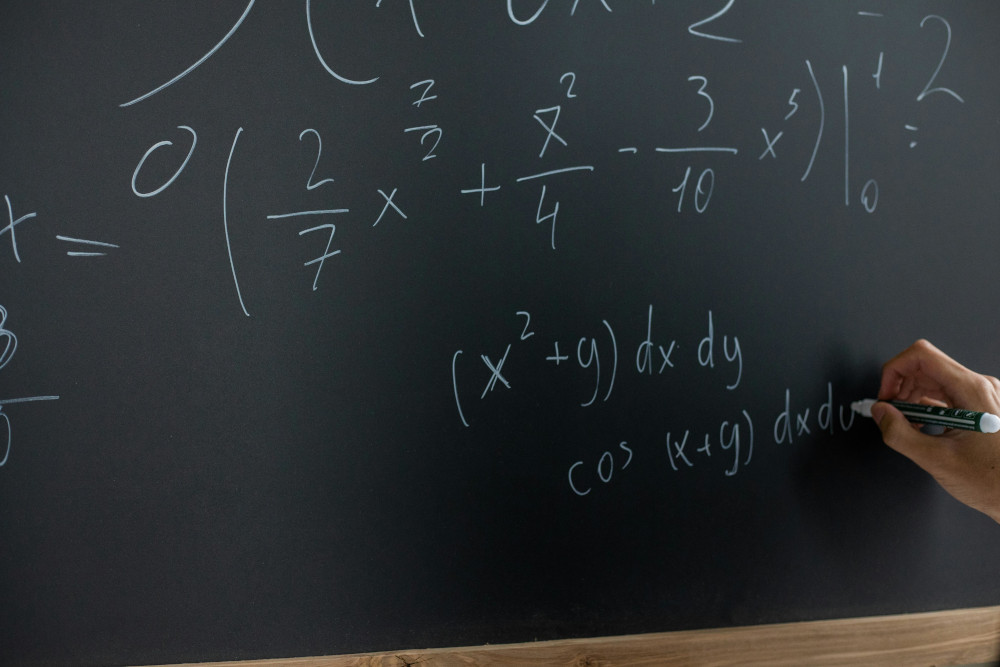
Our Mathematics department is dedicated to giving every student the skills they need to succeed in today’s world. We work hard to create welcoming and supportive classrooms where all students feel encouraged to learn, ask questions, and do their best.
Mathematics is a core subject within the school for all year groups. Students have one lesson every day which provides regular input and practice, enabling students to overcome any difficulties and make good progress.
We believe in setting a high challenge, fostering curiosity, and always looking for ways to improve. We want our students to believe they can get better at math, even when they are struggling. We’re focused on making maths understandable and enjoyable, helping students become confident problem-solvers and thinkers, ready for their future.
Students are required to bring their own equipment to every Mathematics lesson. This should include:
-
a pen,
-
a pencil,
-
a ruler,
-
a rubber,
-
a protractor,
-
a pair of compasses, and
-
a scientific calculator
Key Stage Three – Years 7, 8 and 9
In years 7 to 9, all students follow a course which builds on knowledge and skills from key stage two and enables students to develop fluency in the areas of number, proportion, algebra, geometry, statistics and probability. Each concept or skill is given sufficient time so students develop a secure understanding. Reasoning and problem-solving are integrated into lessons to support students’ understanding further.
Students are grouped in mixed attainment classes. This provides the best opportunity for every student to thrive through a combination of support and challenge provided by teachers alongside discussion and modelling by peers.
Key Stage Three Content
| Year 7 | Year 8 | Year 9 |
| Number Skills: Place value Four operations Factors and Multiples Powers and roots Algebra: Indices Substitution Geometry: Transformations of shapes |
Number Skills: Numeracy review Rounding and estimation Fractions, decimals and percentages Standard form Geometry: Algebra: Solving equations Sequences |
Number Skills: Review of key numeracy skills including negative numbers and calculator skills Algebra: Geometry: |
| Number Skills: Fractions Decimals Percentages Algebra: Forming and Solving Equations Geometry: |
Algebra: Substitution Inequalities Geometry: Area, perimeter and volume Converting units Statistics: |
Number: Powers and Roots / Standard Form Algebra: Simultaneous Equations Geometry: Proportion: Probability: |
| Statistics: Averages and range Tables and charts Probability Proportion: Simple and compound interest |
Proportion: Speed, distance and time graphs Direct proportion Statistics: Venn Diagrams |
Statistics: Histograms Box plots Geometry: |
Homework at Key Stage 3
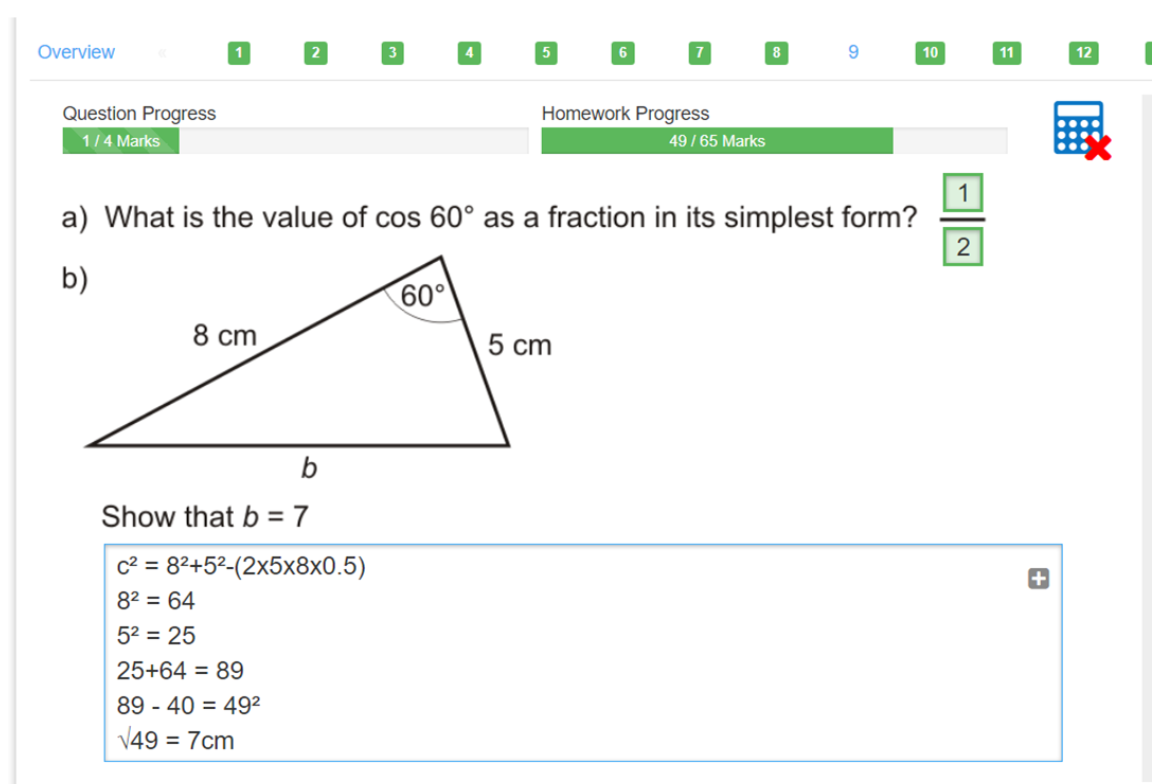
In years 7 to 9, all homework is set via SPARX. This online learning platform supports students’ progress in mathematics by revisiting and practising the content covered in lessons. Self-marking questions to provide instant feedback and video support is used to explain anything a student has not fully understood.
Years 10 & 11 Curriculum
Exam Board: Edexcel
Mathematics is a compulsory subject for all students.
Course Overview
The GCSE Mathematics course is designed to provide students with a strong and confident understanding of key mathematical concepts. Throughout the course, students will develop their skills in the following areas:
-
Number
-
Algebra
-
Ratio and Proportion
-
Geometry
-
Probability and Statistics
Assessment and Exams
Students will sit the Edexcel GCSE Mathematics (9-1) exam, with two available tiers of entry: Higher (grades 4-9) and Foundation (grades 1-5). The tier of entry will be decided based on each student’s performance in regular assessments, including Pre-Public Exams (PPEs) that take place throughout the course. The final decision on which tier is most appropriate will be made once we have reviewed these results.
The GCSE Mathematics exam consists of three written papers in the summer of Year 11. Each paper will be 1.5 hours long. Two of the papers will require a scientific calculator, while the third will be a non-calculator paper.
Ongoing Assessment
Students will be regularly assessed during the course, and these results may lead to changes in set placements as needed to ensure that each student is in the most suitable learning environment.
Equipment Required
For each lesson, students are required to bring a full Maths set, including a scientific calculator. We recommend the Casio FX-85GTCW model for its suitability in the course.
For more information on the GCSE Mathematics qualification, please visit the Edexcel Mathematics page.
Revision and Resources
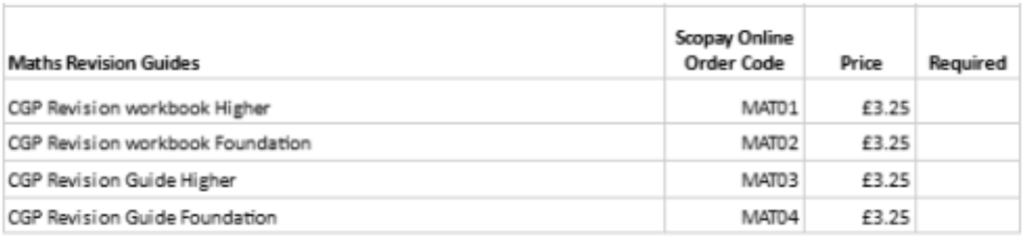
To support students in their preparation for the final exams, Year 11 revision sessions are held every week after school for most of the school year, in the respective teacher’s classroom. These sessions are a valuable opportunity for students to consolidate their knowledge, ask questions, and receive targeted support. We expect all students to attend these sessions regularly as part of their revision strategy.
Additionally, all homework and revision resources can be found on the students’ Google Classroom page. The main online platform we use as a school is the Mathswatch website, which can be accessed here. Students can log in using the ‘Log in with Google’ button to access a variety of resources to help them succeed in their studies. |
 |