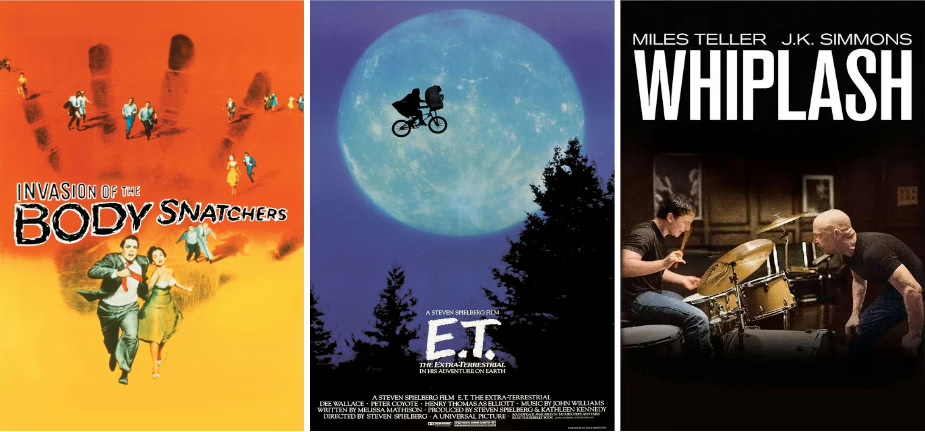

GCSE Film Studies offers students the opportunity to watch, discuss and analyse a wide range of films; from a Hollywood blockbuster to an Independent Film, a film created in the UK to a subtitled non-English language film.
Film Studies at Brune Park
Intent
Our Film Studies curriculum is designed to develop students’ understanding of film as a constructed, meaningful and culturally significant art form. Students learn to move beyond simply watching films for entertainment and begin to analyse how meaning is created through cinematography, mise-en-scène, editing, sound and performance.
The course aims to broaden students’ cultural awareness by exposing them to a range of films from different time periods, genres, national contexts and production backgrounds. Through the study of mainstream, independent, historical and contemporary films, students explore how cinema reflects, challenges and shapes society.
We intend for students to become confident, critical and creative thinkers who can express their interpretations clearly in both written and practical forms. The curriculum supports students in developing analytical writing, subject-specific vocabulary, media literacy and creative production skills. It also encourages students to consider the wider film industry, including audience, representation, genre, narrative, context and institutional factors.
By the end of the course, students should be able to engage with film thoughtfully, evaluate directorial choices, and understand how film communicates ideas about people, places, cultures and the world around them.
Implementation
The Film Studies curriculum is delivered through a carefully sequenced programme that builds students’ knowledge of film language, analysis, context and production skills over time.
Students begin by developing a secure understanding of key film terminology and the core elements of film form, including cinematography, mise-en-scène, editing, sound and performance. These concepts are revisited regularly across different set films and genres so that students become increasingly confident in applying terminology accurately and independently.
Lessons combine close textual analysis, discussion, modelling, guided writing and independent response. Students are taught how to move from identifying film techniques to explaining their effect and linking them to meaning, genre, representation, audience and context. Writing is scaffolded through sentence starters, model paragraphs, live modelling and structured feedback, with the aim of gradually increasing independence.
Students study a range of films, allowing them to explore different styles, periods, production contexts and cultural perspectives. Contextual knowledge is embedded throughout the course so that students understand films not as isolated texts, but as products of the time, place and industry in which they were made.
Practical work is also an important part of the curriculum. Students develop their own creative ideas through planning, production and evaluation tasks, allowing them to apply their understanding of film form in a practical context. This supports their appreciation of the decision-making process behind filmmaking and strengthens their analytical understanding of how meaning is constructed.
Assessment is used regularly to check understanding, address misconceptions and prepare students for both examined and non-examined components. Feedback focuses on the accuracy of film terminology, depth of analysis, use of evidence, contextual understanding and clarity of written expression.
Impact
By studying Film Studies, students will have developed a secure understanding of film as both an artistic and cultural form. They will be able to analyse how directors use film language to create meaning, shape audience response and communicate ideas.
Students will be confident in using subject-specific terminology and will be able to construct thoughtful written responses that explore film form, genre, narrative, representation, context and audience. They will understand that films are shaped by creative choices as well as by social, historical, political, cultural and institutional influences.
Through practical work, students will also have developed their creativity, planning skills and ability to make purposeful production decisions. They will be able to reflect on their own creative choices and evaluate how effectively meaning has been communicated.
The course supports wider transferable skills, including critical thinking, visual literacy, communication, evaluation, collaboration and independent interpretation. Students develop a deeper appreciation of cinema, a stronger understanding of media texts, and the confidence to engage with film critically, creatively and thoughtfully.
KS3 Film Studies
KS3 Film Studies introduces students to the exciting world of cinema, encouraging them to explore how films tell stories, create meaning, and engage audiences. Students develop their understanding of key film terminology and techniques, including camera work, editing, sound, lighting, and performance.
Through the study of a wide range of films and film extracts, students learn to analyse and discuss their ideas with confidence while developing their critical thinking, creativity, and written communication skills.
Film Studies at KS3 provides an engaging foundation for further study at GCSE while helping students develop valuable analytical, creative, and collaborative skills.
GCSE Film Studies
Course Overview
Following the Eduqas specification, GCSE Film Studies is an engaging and academically challenging course that explores a wide range of films from both within and beyond Hollywood. The course broadens learners’ cultural capital while developing their understanding of film language, technology, terminology, and analysis.
Students will learn to ‘read’ films critically, exploring how meaning is created through elements such as cinematography, editing, sound, mise-en-scène, and performance. They will develop analytical and evaluative skills, gain confidence in expressing their own ideas and opinions, and refine their written communication.
Whether students choose to continue studying Film or Media beyond GCSE, they will leave the course with a valuable set of transferable skills that are highly relevant to further education and a wide range of careers.
Assessment
External Assessment (70%)
Students complete two written examinations based on six set films. The exams assess learners’ understanding of:
- Film history
- Representation
- Film aesthetics
- The key elements of film form, including cinematography, editing, sound and mise-en-scène
- Critical analysis and evaluation
Production Coursework (30%)
Students complete a film production project based on an original idea. This includes:
- Creating a screenplay
- Producing a shooting script
- Writing an evaluative analysis of their creative work
What Can This Lead To?
GCSE Film Studies provides an excellent foundation for further study, including:
- A Level Film Studies
- A Level Media Studies
- Vocational courses in Film and Media
The skills developed throughout the course are also valuable for careers in:
- Film and Television
- Media and Journalism
- Teaching
- Gaming and Digital Media
- Marketing and Advertising
- Creative Industries
Is This Course Right for Me?
You may enjoy GCSE Film Studies if you like:
- Analysing films and exploring their meanings
- Working both independently and collaboratively
- Expressing yourself in creative and imaginative ways
- Sharing ideas and responding to the views of others
- Writing scripts and creating storyboards
- Developing and pitching original film concepts
- Researching the film industry
- Exploring the history of cinema
- Learning about filmmaking techniques
- Writing in depth about your ideas and interpretations
Skills and Qualities
Successful Film Studies students are:
- Focused, committed and reliable
- Creative and imaginative thinkers
- Effective team members
- Professional in their approach to learning
- Able to meet written and practical deadlines
- Willing to dedicate time outside lessons to improve their work
- Strong communicators who can write at length about film and media texts
- Excellent attendees who understand the importance of regular participation
Important Information
Students choosing GCSE Film Studies should have a genuine enthusiasm for film and enjoy watching films closely and critically. Learners will study a diverse range of films, including Hollywood productions, independent films, and non-English language films with subtitles.
The course involves a significant amount of written analysis. Students will learn how to explore key film sequences in depth and communicate their interpretations through detailed, analytical writing.
Further Information
For full course details, please refer to the Eduqas GCSE Film Studies specification.
Film Studies at KS3 provides an engaging foundation for further study at GCSE while helping students develop valuable analytical, creative, and collaborative skills.
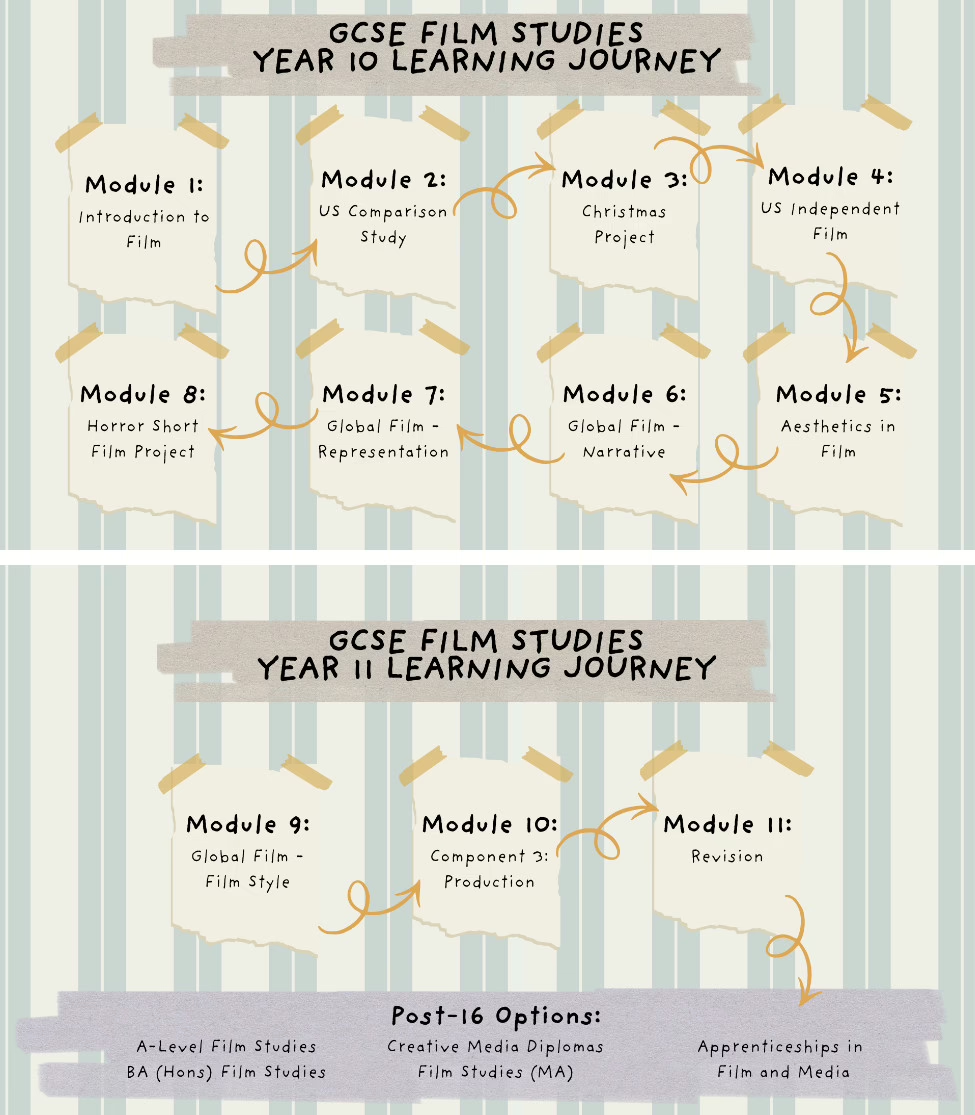
Learning Journeys
GCSE Set-Films